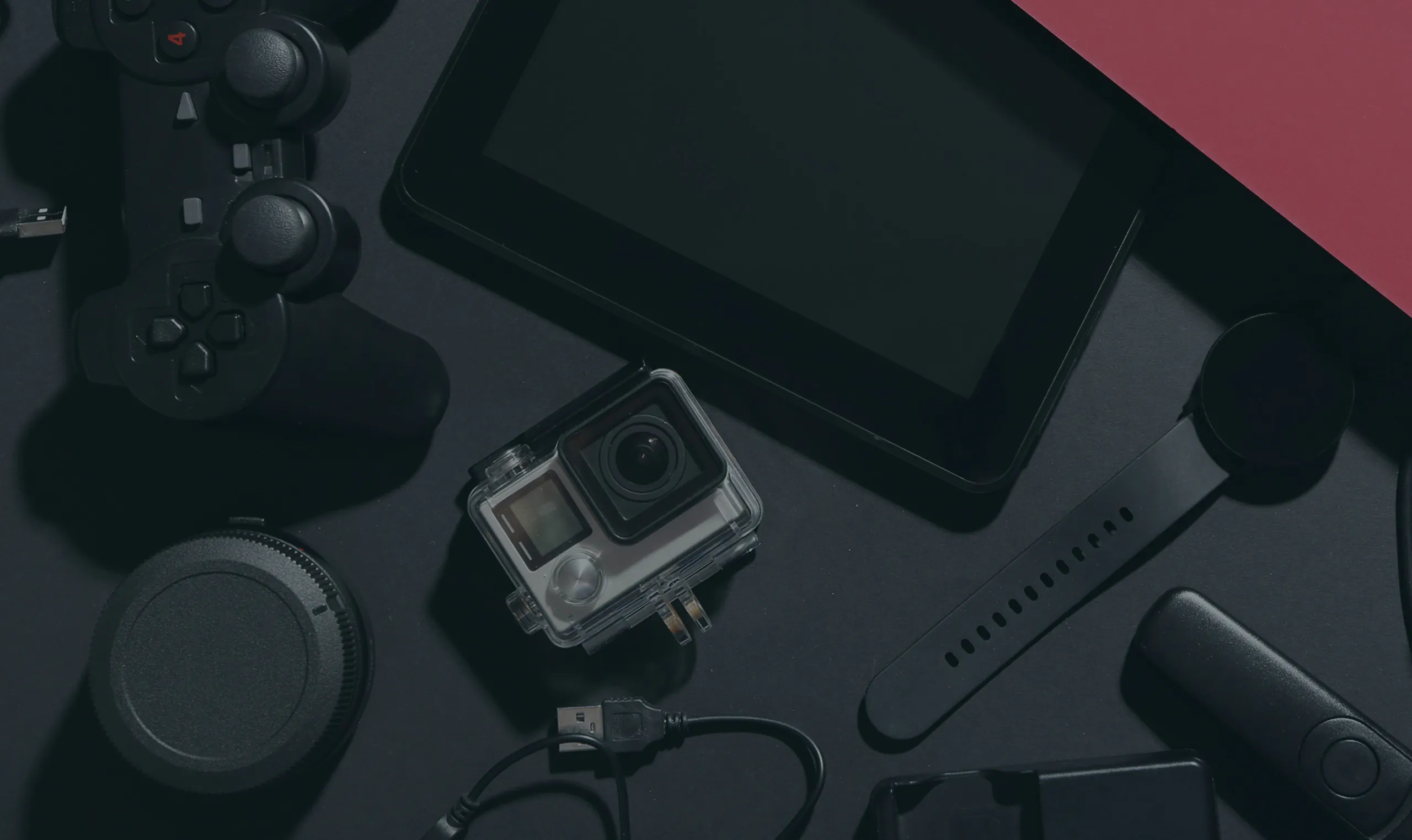
Let’s keep batteries out of trash and recycling.
Help protect your haulers, local waste & recycling facilities, and community by properly disposing of used batteries.
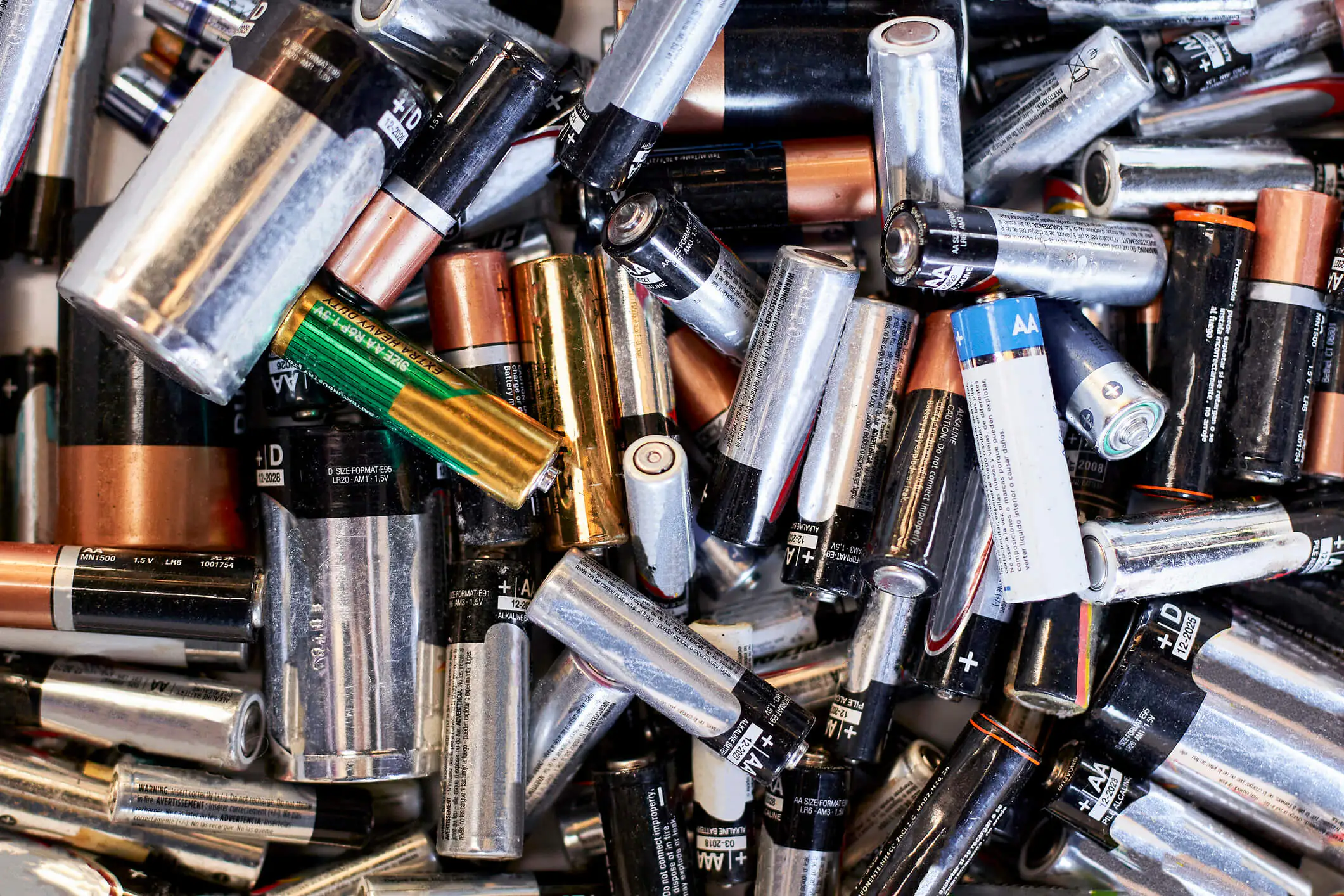
Alkaline BatteriesAlkaline batteries are standard household batteries used in devices like remote controls and flashlights. They are single-use batteries, made of zinc metal and manganese dioxide. Although alkaline batteries are not a fire risk, LCSWMA will properly dispose of them for Lancaster County residents.
Rechargeable BatteriesRechargeable batteries contain metals like lithium and nickel and should never be thrown in the trash. Safely dispose of them at LCSWMA’s drive-thru Household Hazardous Waste Facility or ask your trash collector about battery bag pick-up.
What do I do with my used batteries?There are several free and safe options for battery disposal.
Free Battery Disposal
Lancaster County Residents Only
- Bring batteries and cellphones to our quick, convenient Drive-Thru Household Hazardous Waste Facility.
- 1299 Harrisburg Pike, Lancaster, PA, 17603
- Mon. – Fri. 7 am to 4 pm; Sat. 7 am to 11 am
- Ask your trash collector if they take filled battery bags. If so, place on curb BESIDE trash.
- Bags are brought to LCSWMA.
All Residents
- To find battery drop-off locations (rechargeable, alkaline, e-bike, cellphones) near you, please visit https://batterynetwork.org/locator/
- Participating retail collection points for rechargeable batteries include Home Depot, Lowes & Staples.
Specialty Batteries
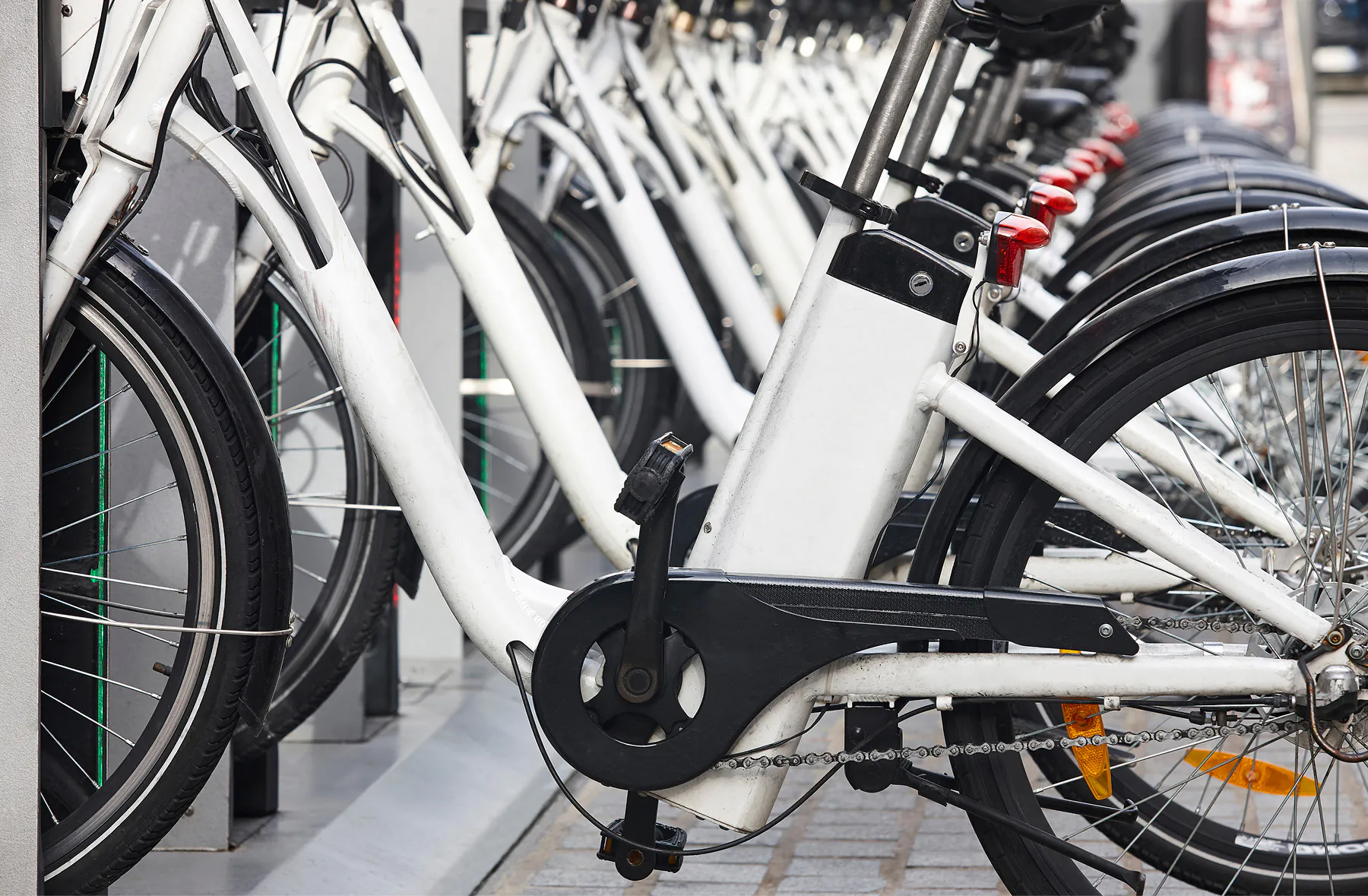
E-bike BatteriesContact retailer or manufacturer for safe battery disposal options, or call LCSWMA if you need assistance.
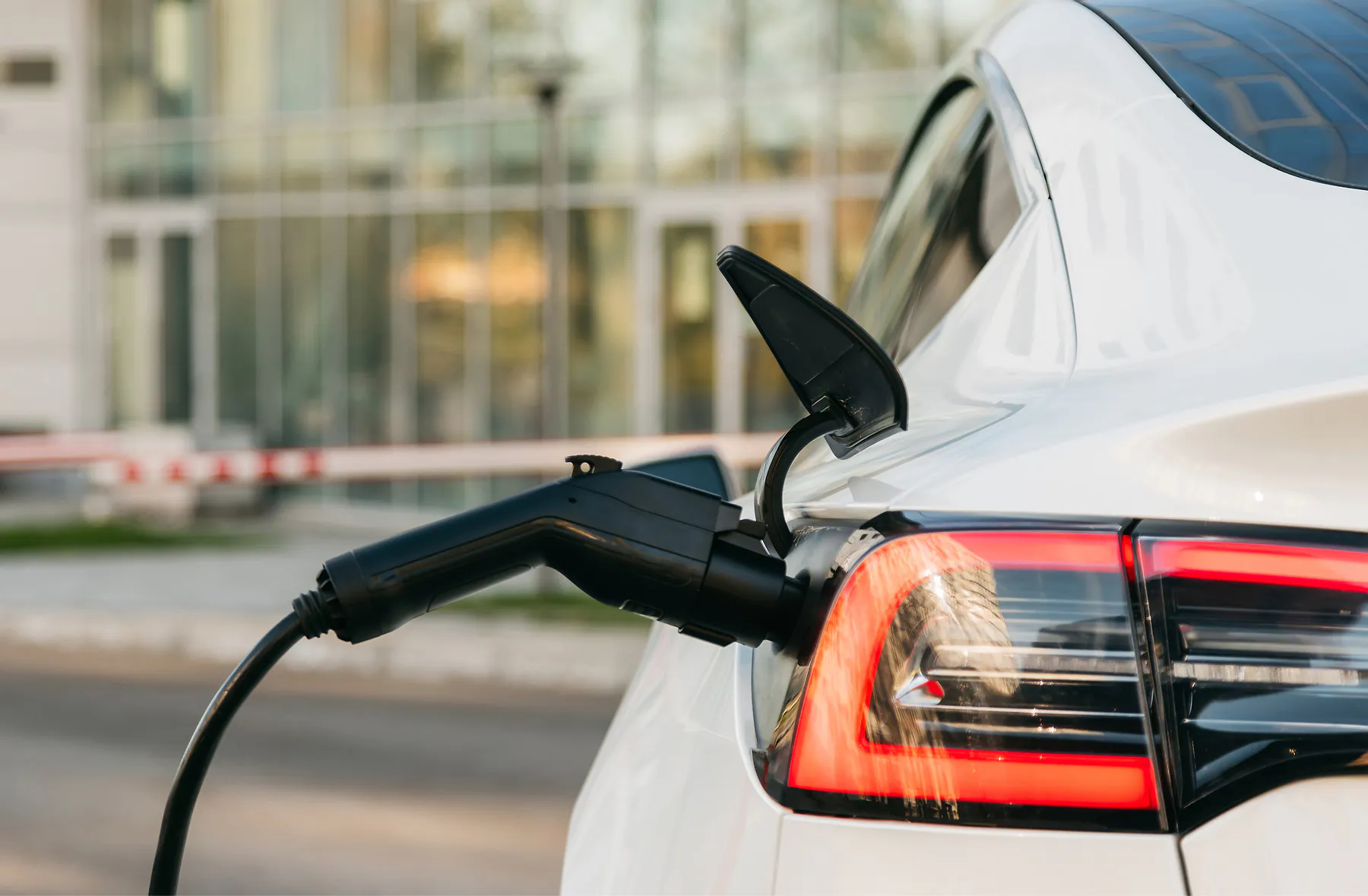
Electric Vehicle BatteriesContact a local automotive store or dealership for safe battery disposal options.
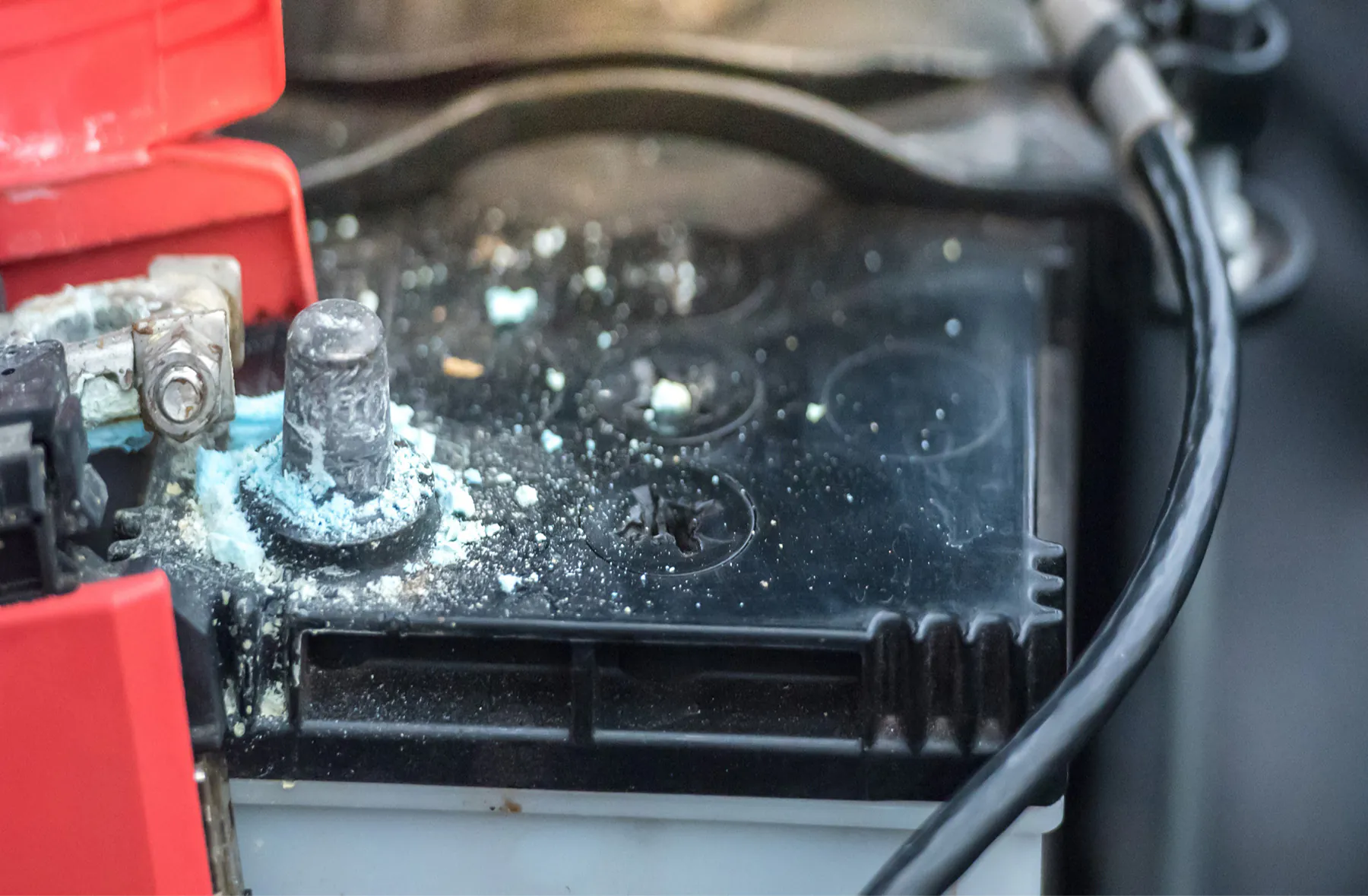
Damaged BatteriesDamaged batteries, including those that are puffy, swollen, or bloated, should be immediately addressed and will require special handling.
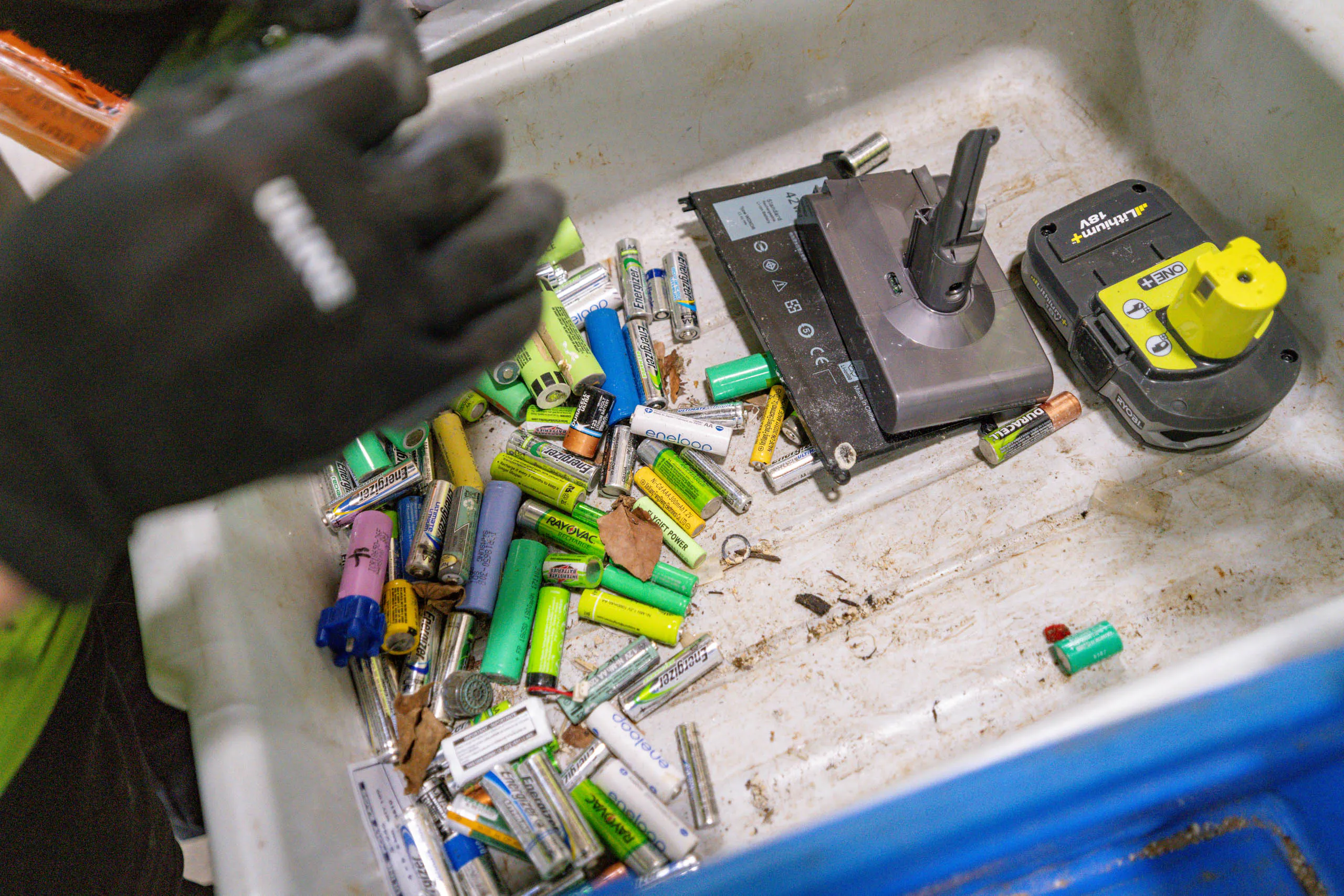
Battery Handling Tips
- Store batteries in non-metallic containers (plastic, cardboard, or glass)
- Do not overcharge batteries
- Do not place electronic devices on soft surfaces, especially when charging
- Only use the charging cable that came with the device
- Inspect batteries before use for signs of damage
- Store batteries and devices in dry, cool locations
- Always follow the manufacturer’s instructions
- NEVER place batteries or electronics containing batteries in the trash or recycling